
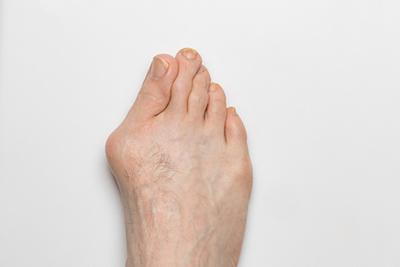
Bunions (hallux valgus) develop gradually as the big toe shifts toward the second toe, creating a characteristic bump at the joint where the big toe connects to the foot. This kind of progressive deformity is common in adults, with women experiencing it more frequently than men. While bunions have a hereditary component, footwear choices and biomechanical factors significantly influence their development and progression. At Family Foot and Ankle Associates of Maryland, with offices in Olney, Camp Springs/Clinton, Silver Spring, Kensington, Laurel, and Maple Lawn, our podiatrists offer comprehensive approaches to managing bunions at every stage. Knowing treatment and prevention strategies helps patients maintain comfort and mobility while potentially avoiding surgical intervention.
Understanding Bunion Development
Bunions typically form when abnormal mechanical forces cause instability in the metatarsophalangeal joint at the base of the big toe. While hereditary foot structure creates this predisposition, factors like prolonged wearing of narrow, pointed shoes or high heels often accelerate the condition by forcing toes into unnatural positions. Certain inflammatory conditions, neuromuscular disorders, and connective tissue disorders may also contribute to bunion formation.
The progressive nature of bunions means they rarely resolve spontaneously, but timely intervention can significantly slow their advancement. Recognizing early signs, such as difficulty finding comfortable shoes, pain at the joint, or visible deviation of the big toe, allows for proactive management before the deformity becomes severe.
Conservative Management Approaches
For most bunions, non-surgical approaches serve as the first line of treatment. Appropriate footwear is the foundation of conservative care, with shoes featuring wide, deep toe boxes that accommodate the foot without compression. Specially designed bunion pads or splints can reduce pressure on the prominent joint, while custom orthotic devices you can get measured for at our Olney, Camp Springs/Clinton, Silver Spring, Kensington, Laurel, and Maple Lawn, Maryland, offices correct the biomechanical factors that contribute to bunion progression.
For pain management, oral anti-inflammatory medications, topical analgesics, and periodic ice application often provide relief during flare-ups. Physical therapy modalities focusing on maintaining joint mobility and strengthening supportive musculature help preserve function and potentially slow progression.
When Surgical Intervention Becomes Appropriate
When bunions cause persistent pain that limits daily activities, interfere with finding appropriate footwear, or continue to worsen despite conservative measures, surgical intervention may become appropriate. Modern bunion surgery has evolved significantly, with numerous procedures available through the Family Foot and Ankle Associates of Maryland for specific deformity patterns and patient characteristics.
These procedures may involve realigning the bone through osteotomy (controlled bone cuts), releasing soft tissues, or, in some cases, fusing certain joints for lasting correction. Recovery timelines vary based on procedure complexity, but most patients return to regular footwear and activities within several months.
Prevent Progression and Recurrence of Bunions
Whether managing early bunions or maintaining results after correction, certain strategies help prevent progression. Consistently wearing appropriate footwear, both in fit and heel height, remains crucial for prevention. Custom orthotic devices keep your feet balanced, while toe exercises help maintain joint mobility and strengthen supportive structures.
For those with a family history or early signs of bunion development, proactive podiatric evaluation allows for earlier intervention with preventative measures that may significantly slow progression. This preventative approach helps many patients maintain comfort and function while potentially avoiding more invasive treatments. To partner with our podiatrists at Family Foot and Ankle Associates of Maryland, call our offices at the following numbers:
Silver Spring: (301) 439-0300
Kensington: (301) 942-8110
Camp Springs/Clinton: (301) 868-7670
Olney: (301) 924-5044
Laurel and Maple Lawn: (301) 317-6800